Chelsey
I’ve always loved poetry. I felt really confident studying poetry during my GCSEs (less so during A Level – I had quite the confidence dip for those two years). But it’s not just analysis, I really enjoy reading poetry. I think a lot of people feel like poetry isn’t for them, as if it’s some high art that’s only meant to be enjoyed by people who analyse every line, but that’s not the case at all. In fact, I think one of the best ways to enjoy poems is to just read them (or have them read to you) and enjoy the words and the rhythm of the lines. I am a big believer that you don’t necessarily have to get a poem to enjoy it.
It’s hard to know where to start. There are plenty of places both online and offline to find poems, but how do you know what to look for, and what you’ll like?
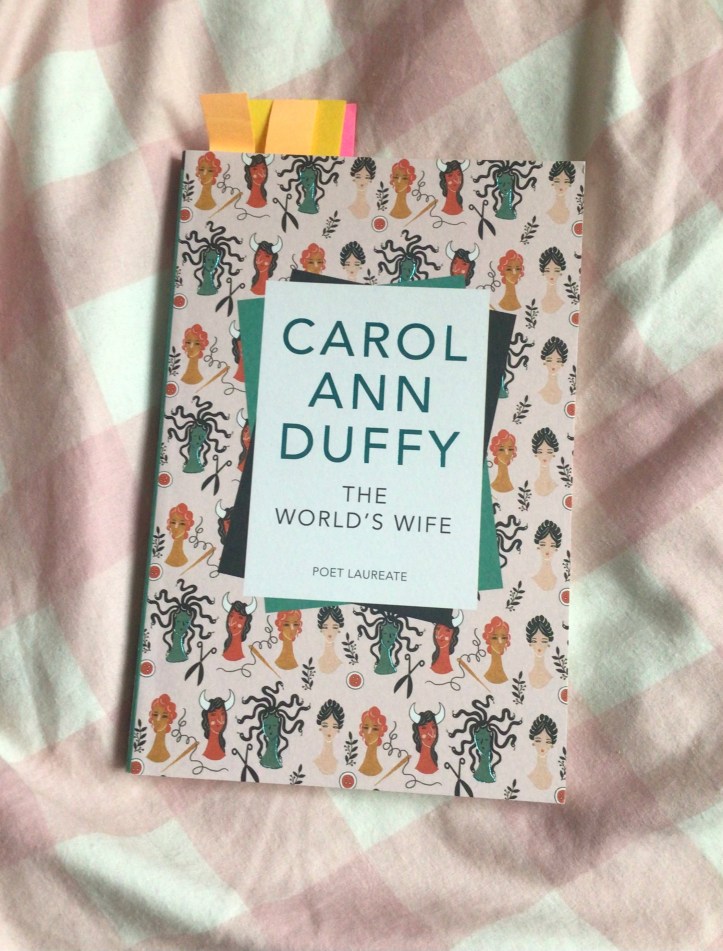
My first tip would be to start with what you know you like. If you read a lot of classic novels, see when they were first published. A lot of the time, novelists and poets of the same era were part of the same movement, and there’s a good chance the poems will touch on the same themes as the novels, or be written in a similar style. In fact, you could be really lucky and find that your favourite writers also published poetry.
If you prefer contemporary literature, this method probably won’t work. Luckily, though, we have a lot more access to our favourite authors these days, and often, you’ll be able to find your favourite authors’ favourite authors. If they’ve talked about or recommended a poet, there’s a good chance you’ll enjoy their works, especially if their writing inspired your favourite writer.
In terms of resources, the most comprehensive online resource I’ve found is the Poetry Foundation. They have an archive of quite a lot of poetry, and more often than not, a poem that I’m looking for is on there (it’s quite rare that one isn’t available). If you’re not sure what you’re looking for, their homepage offers a poem of the day, and has a featured poets section.
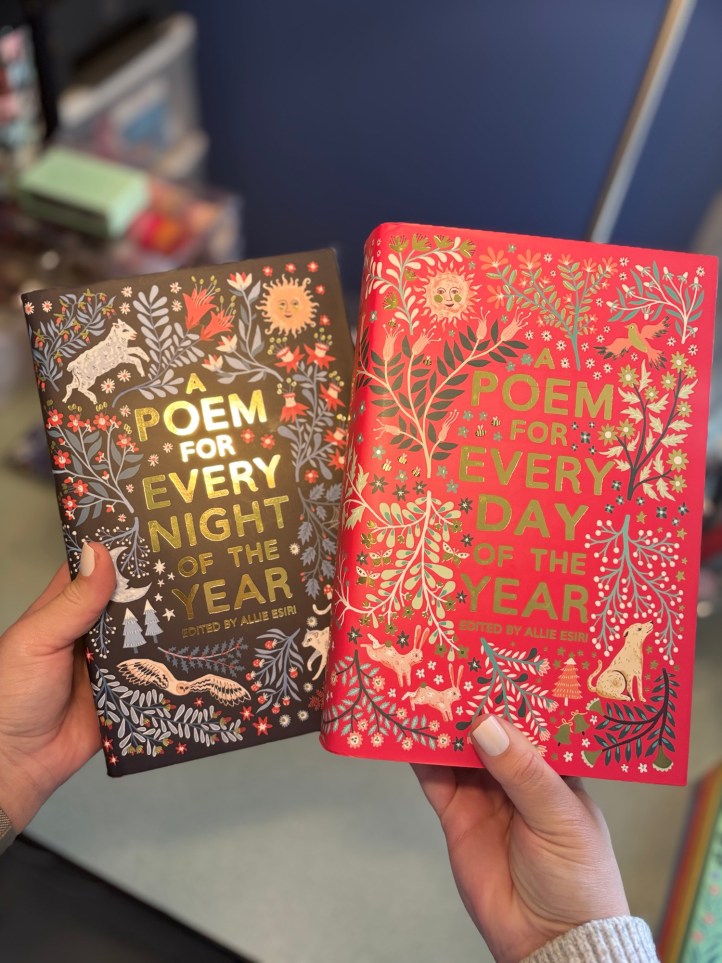
If you don’t have a particular poet or theme in mind, there are several poetry anthologies available to buy and in bookshops that offer works long and short, by a variety of poets, so that hopefully there’s something for everyone. My personal favourites are Allie Esiri’s 365 Poems for Life and BBC Radio 4’s Poetry Please anthology. The Poetry Pharmacy (in London and online) offers mini anthologies of ten poems on a theme, but I’m yet to try them (I’m stubbornly waiting until I get the chance to visit the pharmacy in person).
So now, how do you get a poem (provided you want to)?
Firstly, I want to point out that there are no wrong answers (despite what my old English teacher would have us believe), because ultimately, art gets its value from our response to it. Of course, there is the meaning that the author had in mind, but if you believe in death of the author, what they intended matters less than what’s on the page. I like to start with the image that comes to mind on the first read. If you like that interpretation, then you’re good to go!
If you’d like to dig deeper, take it line by line. Look at the words chosen, they’re deliberate. Do they remind you of anything, or convey a certain mood?
Read the poem aloud. The pace and tone it guides you to use will indicate the mood of the poem.
Don’t be afraid to use your own frame of reference too. If a line reminds you of a film you love, or a place you visited, or maybe a family member, that’s a great way to find your personal connection with the poem. Of course, not every poem will lead to a personal connection, in fact, you might not have any response to it at all, and that’s okay. The great thing is there’s so much poetry out there, that there will absolutely be something that you’ll enjoy. It just might take a while to find it.
Of course, if you don’t fancy doing all of that, you can always try searching the poem’s title and ‘meaning’ into google, to save time.
 Nonsense & Lit